The Rise of Climate-Adapted Skincare
Why traditional skincare routines are no longer enough in hot and high-UV climates.
As temperatures rise and UV exposure intensifies in many regions, skincare routines are evolving. Climate-adapted skincare focuses on protecting the skin from heat, sun humidity and environmental stress Factors that significantly influence skin health and pigmentation.
Skin Pigmentation & Climate Sensitivity
Skin pigmentation varies widely across individuals and populations.
The level of pigmentation is determined by the amount and activity of melanin, the pigment responsible for skin color.
Melanin plays a protective role by absorbing some UV radiation. However, higher melanocyte activity can also increase the likehood of hyperpigmentation, particularly after inflammation or irritation.
Dermatologists often classify skin according to the Fitzpatrick Skin Phototype scale, developed by dermatologist Thomas B. Fitzpatrick.
This system categorizes skin based on its reaction to sun exposure.
In many regions with strong sun exposure — including countries such as Brazil, Mexico and Colombia — populations commonly fall within phototypes III to V.
This combination of naturally active melanocytes and environmental stress can increase the likehood of uneven pigmentation.
-
Very fair skin tones that tends to burn easily and produce limited pigmentation.
-
Intermediate skin tones that can tan and may develop uneven pigmentation with sun exposure.
-
Darker skin tones with higher melanin levels.
While the phototypes have greater natural UV protection, they are also more prone to post-inflammatory hyperpigmentation and melasma.
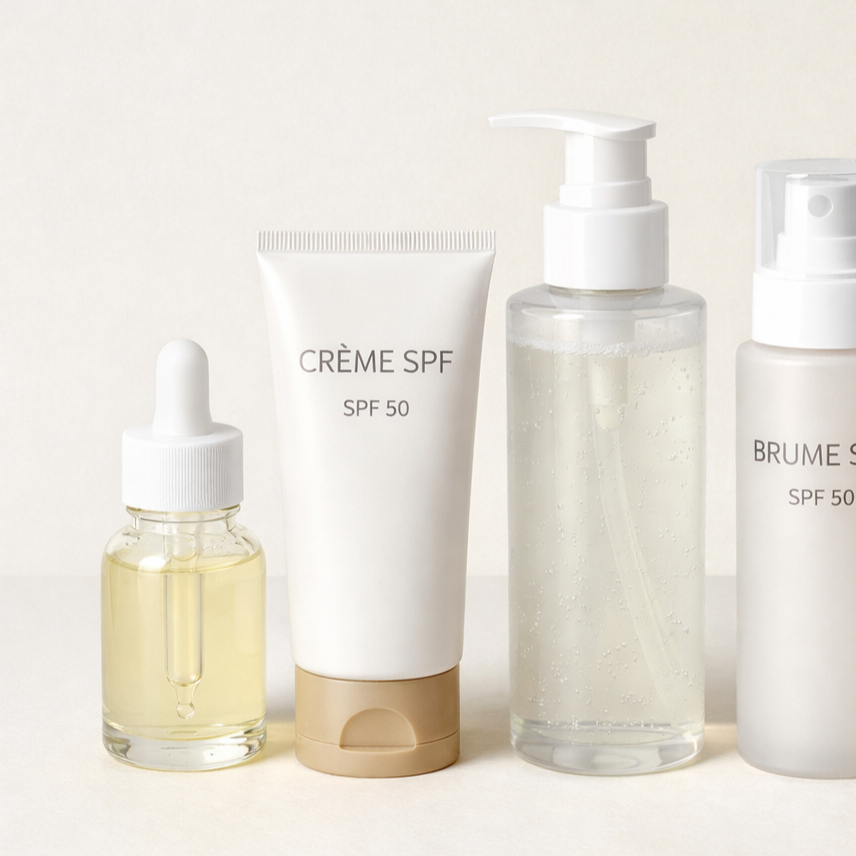
The Principles of Climate-Adapted Skincare
Climate-adapted skincare focuses on supporting the skin in environnements where heat, sun and humidity are constant.
Several core principles help maintain skin balance under these conditions.
GENTLE CLEANSING
Cleansing helps remove sweat, sunscreen an environmental pollutants without disrupting the skin barrier.
TARGETED TREATMENT
Ingredients that regulate melanin production and support skin recovery can help address uneven pigmentation and inflammation.
SUN PROTECTION
Daily broad-spectrum sun protection remains one of the most important steps in preventing pigmentation and long-term sun damage.
CONSISTENT REAPPLICATION
In hot and humid climate, sweat and environmental exposure can reduce the effectiveness of sun protection. Reapplying thoughout the day helps maintain protection.

Barrier Support
Ceramides
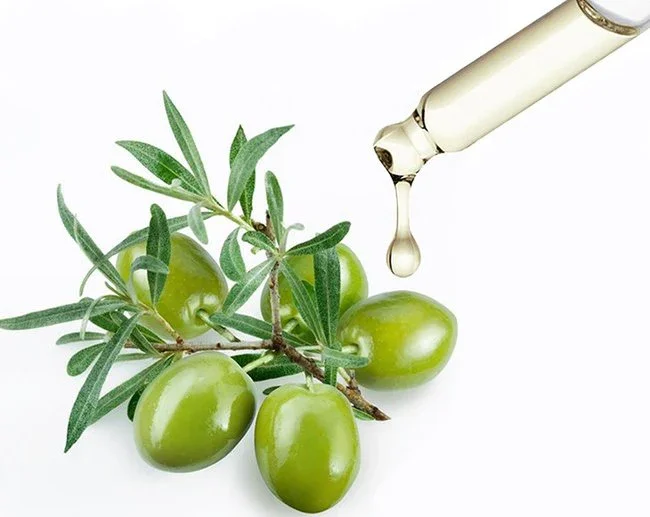
Panthenol
Squalane
These ingredients help strengthen the skin barrier and maintain hydratation
Pigmentation Regulation
Vitamin C
Licorice Extract

Niacinamide

Alpha Arbutin
These actives help regulate melanin production and support more even skin tone
Hydratation

Hyaluronic Acid

Betaine
Glycerin
Hydrating ingredients help maintain skin comfort and balance in climates where heat annd humidity fluctuate throughout the day
The Future of Skincare
For decades, skincare has largely been developed with a one-size-fits-all approach. Products and routines were often designed without fully considering how environmental conditions — such as climate, temperature or sun intensity — influence the way skin behaves on a daily basis.
Today, that perspective is beginning to shift. As scientific research continues to explore the relationship between the skin and its environment, it is becoming increasingly clear that external factors play a fundamental role in skin health. Climate, UV exposure, humidity and pollution all interact with the skin’s natural processes, shaping everything from hydration levels to inflammation and pigmentation.
At the same time, consumers are becoming more aware of how their surroundings affect their skin. People living in regions with strong sun exposure or warmer climates are starting to question whether traditional skincare routines are truly adapted to their daily conditions.
This growing awareness is contributing to the rise of climate-adapted skincare — an approach that considers the environment as an essential part of skin care. Rather than focusing only on isolated concerns, climate-adapted routines aim to support the skin in the context where it actually lives and evolves.
Looking ahead, skincare is likely to move toward more thoughtful and adaptive solutions. Formulations may increasingly take into account environmental stressors, while routines will continue to prioritize protection, balance and long-term skin resilience.
As our understanding of the skin–environment relationship deepens, one thing becomes clear: caring for the skin is not only about the products we use, but also about how well those products respond to the world around us.