
The Science of Niacinamide for Pigmentation
How vitamin B3 helps regulate melanin and support even skin tone
From dark spots caused by sun exposure to post-inflammatory marks left by acne , pigmentation issues affect people across all skin types and climates Among the many ingredients used in modern skincare niacinamide has become one of the most widely studied and versatile compounds for addressing uneven pigmentation while supporting overall skin health.
Strehghtening The Skin Barrier
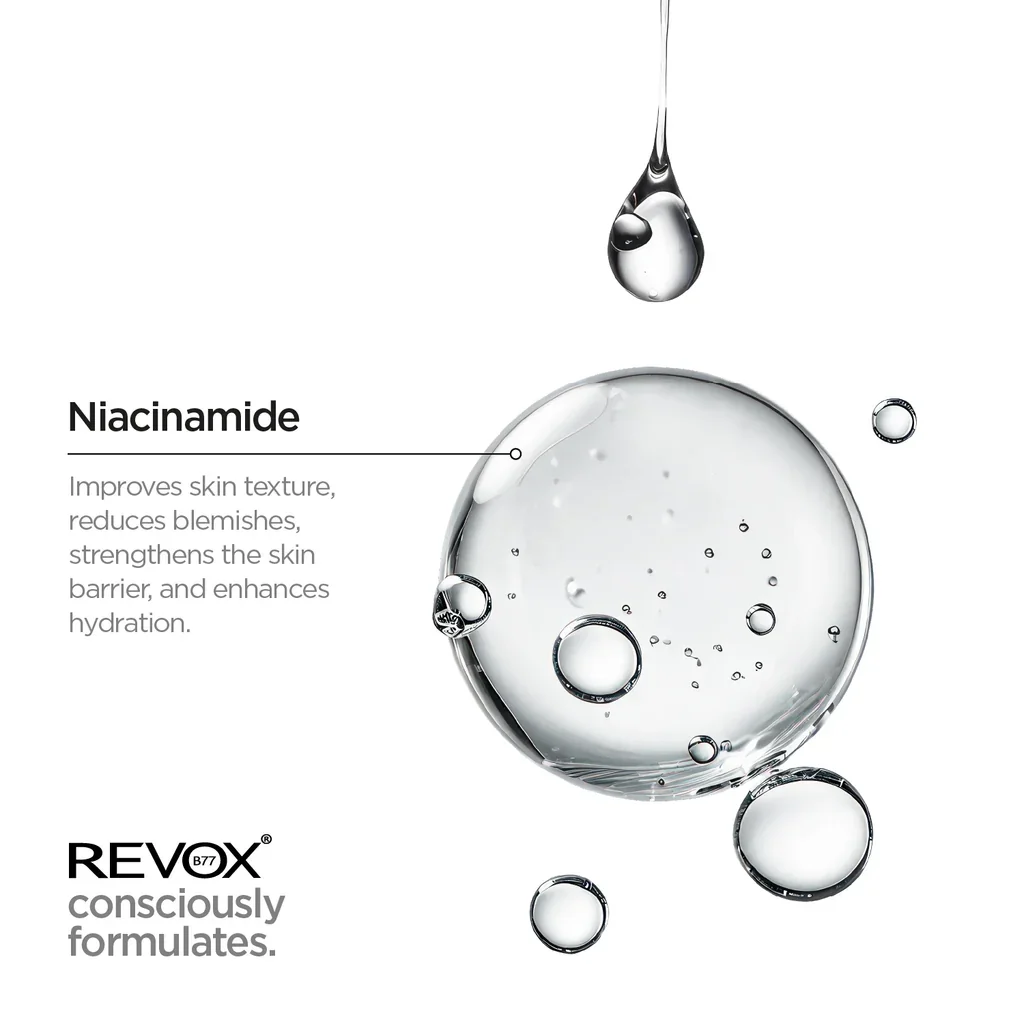
What is Niacinamide
Niacinamide, also known as nicotinamide, is a form of vitamin B3 A water-soluble vitamin essential to many cellular functions in the body.
In dermatology and cosmetic science, niacinamide is valued for its ability to support multipple processes in the skin, including :
Streghtening the skin barrier
Regulating sebum production
Reducing inflammation
Improving uneven pigmentation
Because it is generally well tolerated across most skin types, niacinamide is commonly used in formulations targeting sensitive skin, acne-prone skin and pigmentation concerns.
How Pigmentation Develops
To understand how niacinamide influences pigmentation, it is important to first understand how pigmentation occurs.
Skin color is determined by melanin, a pigment produced by specialized cells called melanocytes. These cells are located in the basal layer of the epidermis and produce melanin in response to various stimuli.
Several factors can stimulate melanocyte activity, including:
ultraviolet radiation
inflammation
hormonal changes
environmental stress
When melanin production becomes excessive or uneven, it can accumulate in certain areas of the skin, leading to visible hyperpigmentation such as dark spots or melasma.
Niaciamide and Other Brightening Ingredients
When used together these ingredients can support a more comprehensive approach to managing uneven pigmentation
Alpha Arbutin
Brightening ingredient that helps reduce appearance of dark spots and uneven skin tone.
It works by inhibiting tyrosinase, an enzyme involved in melanin production. By slowing excess pigment formation, alpha-arbutin helps promote a more even and radiant complexion, especially when used consistently alongside daily sun protection.
Vitamin C derivates
Stable forms of vitamin C used in skincare to help brighten the skin and improve overall tone.
They provide antioxidant protection against environmental stress while supporting a more radiant complexion. By helping reduce oxidative damage and excess pigmentation, vitamin C derivates can contribute to a more even and healthy-looking skin tone over time.
Licorice Extract
Plant-derived ingredient commonly used in skincare for its soothing and brightening properties.
It contains compounds such as glabridin, which help reduce inflammation and support the regulation of excess pigmentation. This makes licorice extract particularly helpful for calming the skin while promoting a more even and balanced complexion.
How Niacinamide Reduces Hyperpigmentation
Unlike some ingredients that attempt to directly suppress melanin production, niacinamide works primarily by influencing how pigment is transferred within the skin.
Research suggests that niacinamide can inhibit the transfer of melanosomes — the pigment-containing structures produced by melanocytes — from melanocytes to surrounding skin cells known as keratinocytes.
By reducing this transfer process, niacinamide helps limit the visible accumulation of pigment on the skin’s surface.
This mechanism makes niacinamide particularly useful in addressing several forms of hyperpigmentation, including:
sun-induced dark spots
post-inflammatory hyperpigmentation
uneven skin tone
Because it acts on pigment transfer rather than directly blocking melanin production, niacinamide tends to work more gradually while maintaining a favorable tolerance profile.
Optimal Concentrations in Skincare
Niacinamide is effective across a relatively wide concentration range.
Most skincare formulations typically contain between 2% and 5% niacinamide, which has been shown in research to provide noticeable improvements in skin tone and barrier function.
Higher concentrations, sometimes reaching 10%, are also used in certain formulations targeting more pronounced concerns such as oil regulation or persistent hyperpigmentation.
However, higher concentrations do not always guarantee better results and may increase the likelihood of irritation in sensitive skin
-
Helps support the skin barrier and improve overall skin balance. It is often used to enhance hydratation, reduce mild redness and strenghten the skin’s natural defenses.
This lower concentration is generally well tolerated and suitable for sensitive or reactive skin types.
-
Commonly used in skincare formulations to help improve uneven skin tone and reduce the appearance of enlarged pores.
At this level, it can support the regulation of sebum production while helping promote a clear and more balanced complexion.
-
Often used in more targeted treatments addressing concerns such as persistent oiliness, visible pores and uneven pigmentation.
This higher concentration may provide more noticeable results for some skin concerns, although tolerance can vary depending on individual skin sensitivity.
Niacinamide in Climate-Adapted Skincare
Environmental conditions such as heat, UV exposure and pollution can intensify skin stress and contribute to pigmentation concerns.
In warm and sunny regions, the skin often faces a combination of triggers:
strong UV radiation
elevated temperatures
increased inflammation
barrier disruption
Niacinamide’s multi-functional profile — combining barrier support, anti-inflammatory properties and pigment regulation — makes it particularly well suited to skincare routines designed for these environments.