
Understanding SPF Ratings
What SPF numbers really mean and how they relate to sun protection
Sun Protection in one of the most important steps in any skincare routine. SPF is often used as a key indicator when choosing a sunscreen, yet its meaning is frequently misunderstood. Understanding how SPF works helps provide a clearer view of what protection it offers and how to use it effectively.
Beyond Sunscreen Sun Protection Factors
What does SPF Stand For
SPF stands for Sun Protection Factor. It is a measure of how well a sunscreen protects the skin against UVB radiation, the type of ultraviolet rays primarly responsible for sunburn.
The SPF value indicates how much longer the skin can be exposed to UVB rays before burning, compared to unprotected skin.
However this measurement is based on controlled laboratory conditions and may not reflect real-life usage.
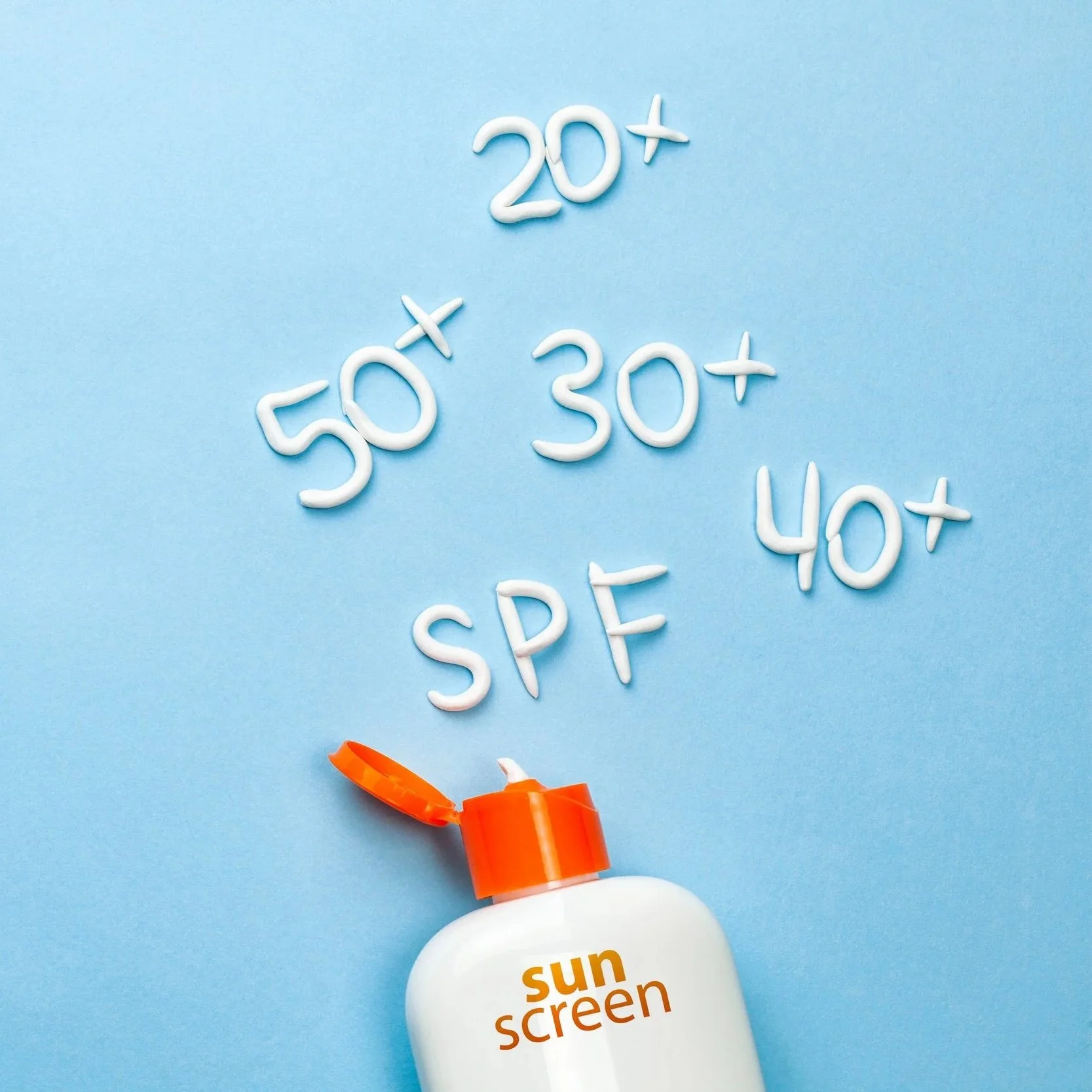
SPF Key Numbers
SPF values are often interpreted as a line at scale of protection, but in reality the difference between them becomes smaller at higher levels.
For exemple :
SPF 15
Provides a basic level of sun protection, blocking around 93% of UVB rays. It may be suitable for minimal or incidental sun exposure.
SPF 30
Provides a good level of daily sun protection by blocking around 97% of UVB rays. It is generally considered sufficient for everyday use especially in low to moderate sun exposure.
SPF 50
Offers a higher level of protection blocking approximatively 98% of UVB rays. It is often recommended for prolonged sun exposure or environments with stronger sunlight.
While higher SPF offers increased protection, no sunscreen can block 100% of UV radiation.
“PA+++” Meaning
In addition to SPF, some sunscreens — particularly those develope in Asian makets — use a system known as PA rating to indicate protection against UVA rays.
The PA system is based on the Persistant Pigment Darkening (PPD) method, which measures how well a product protects the skin from UVA-induced pigmentation.
Unlike SPF which focuses on sunburn, PA ratings provide insight into protection against deeper skin damage and long-term aging effects caused by UVA exposure.
-
Low UVA protection (PPD from 2 to 4)
-
Moderate UVA protection (PPD from 4 to 8)
-
High UVA protection (PPD from 8 to 16)
-
Very high UVA protection (PPD > 16)
Reapplication
Explore interactive visualizations that uncover insights, reveal trends, and help guide smart decisions. Our charts and graphs turn numbers into narratives—helping you understand and explore key information at a glance.
Client Reviews
“Their attention to detail and commitment to quality truly stood out. We’ve already recommended them to others.”
— Former Customer“Communication was top-notch and the final outcome was even better than we imagined. A great experience all around.”
— Former Customer“Every detail was thoughtfully executed. We're thrilled with the outcome.”
— Former Customer