
Impact of UV & Heat on Skin
Understanding how sunlight and rising temperatures influence skin health, aging and environmental stress
Sun exposure has long been recognized as one of the primary environmental factors affecting skin health. However, ultraviolet radiation is only part of the equation. Heat, humidity and climate conditions also influence inflammation, barrier function and long-term skin resilience.
Skin Barrier Under Environmental Pressure
Sunlight Is Only Part of The Story
When discussing environmental skin stress, ultraviolet radiation is often the main focus. Yet in many regions of the world, the skin is exposed to intense sunlight and high temperatures at the same time.
This combination creates a unique form of environmental pressure on the skin. UV radiation can trigger cellular damage and pigmentation responses, while heat can increase inflammation and weaken the skin barrier.
Together, these factors may accelerate several visible changes in the skin, including dehydration, sensitivity and premature aging.
Understanding how UV radiation and heat interact helps explain why skin concerns are often more pronounced in warm and sunny climates.
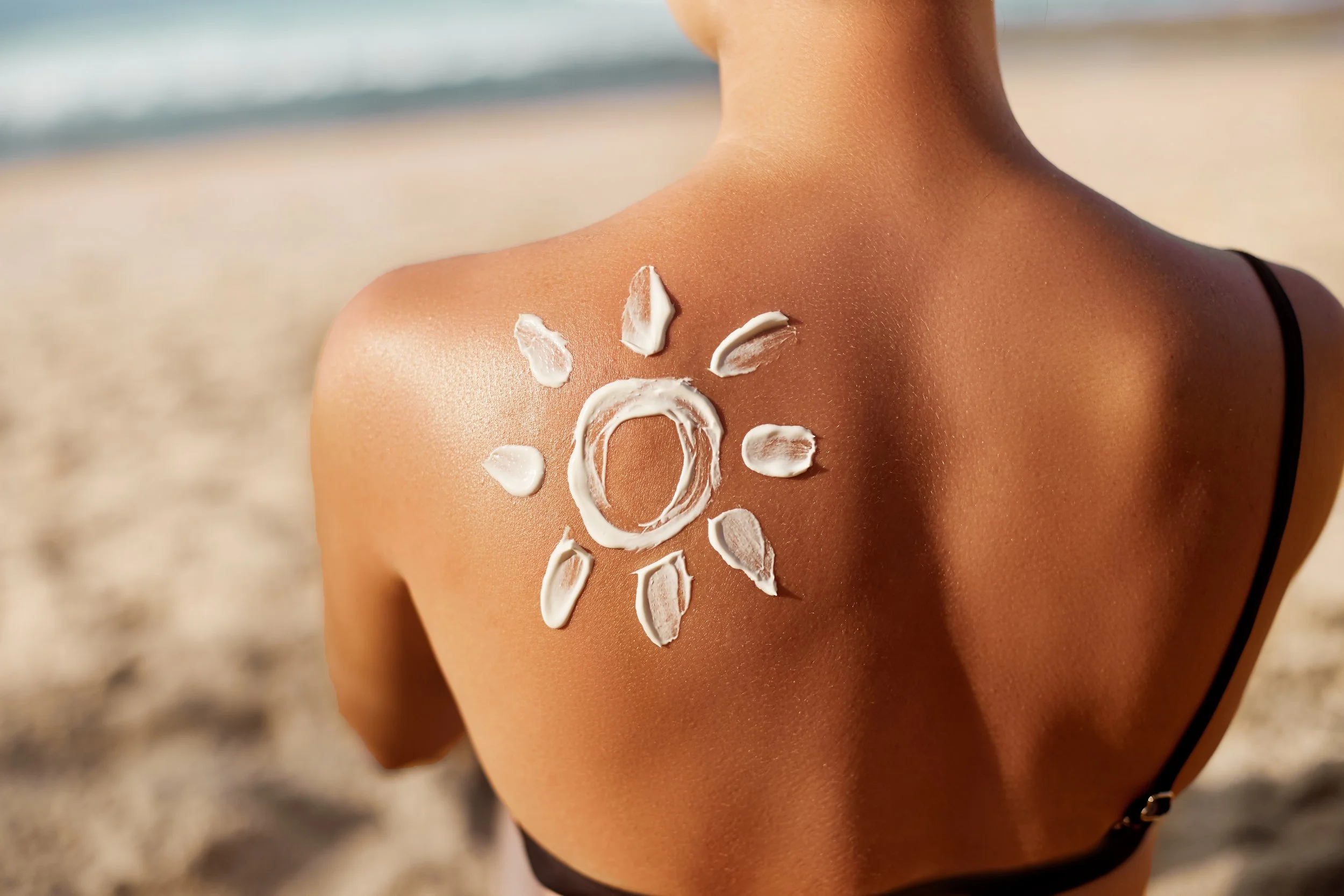
Ultraviolet Radiation and Skin Aging
Ultraviolet radiation is one of the most studied cause of long-term skin damage.
Two main forms of UV radiation affect the skin:
UVA Radiation
Penetrates deeper layers of the skin and contributes to premature aging, including wrinkles and loss of elasticity.
UVB Radiation
Primarly affects the surface layers of the skin and is responsible for sunburn and direct DNA damage.
Repeated exposure to ultraviolet radiation can lead to a process known as photoaging, which gradually alters skin structure and accelerates visibe signs of aging.
Dermatological research suggests that environmental exposure is a major contributor to visible skin aging.
Among these factors, ultraviolet radiation is considered one of the leading causes of premature aging, contributing to wrinkles, loss of elasticity and uneven pigmentation over time.
While genetics also influence how the skin ages, daily sun exposure plays a significant role in accelerating these visible changes in many individuals.
Main Causes of Aging
The Skin Barrier Under Environmental Pressure
The Skin Barrier plays a critical role in maintaining healthy skin. It helps retain moisture while protecting the skin from external stressors.
Exposure to intense sun and prolonged heat can weaken this protective barrier by increasing transepidermal water loss. Over time, this may lead to dryness, irritation and a reduced ability for the skin to recover from stress.
Supporting the skin barrier is therefore an important part of maintaining balanced skin in climates where sun exposure and heat are contant factors.
Combined Effects of UV Radiation and Heat on Skin Stress
Ultraviolet Radiation is widely recognized as one of the primary environmental factors affecting skin health. However, heat can also play a significant role in how the skin responds to environmental stress.
Elevated temperatures may increase inflammation and weaken the skin barrier, making the skin more vulnerable to damage.
When UV radiation and heat occur together, their combined effects can intensify overall skin stress, particularly in warm and sunny climates.
Supporting Skin in Sun-exposed Environments
In warn and sunny climates, skincare strategies often focus on three key principles :
Protection plays a central role, as limiting UV exposure helps reduce long-term skin damage.
Barrier support is equally important as healthy skin barrier improves the skin’s ability to retain moisture and defend against environmental agressors.
Finally maintaining overall skin balance through hydratation and calming ingedients can help support resilience and long-term skin health.
These approaches contribute to healthier skin in environments where sunlight and heat are everyday focus.
-
Limiting UV exposure helps reduce long-term skin damage and premature aging.
-
Maintaining a strong skin barrier improves the skin’s resilience to environmental stress.
-
Supporting hydratation and calming inflammation helps maintain overall skin stability.